
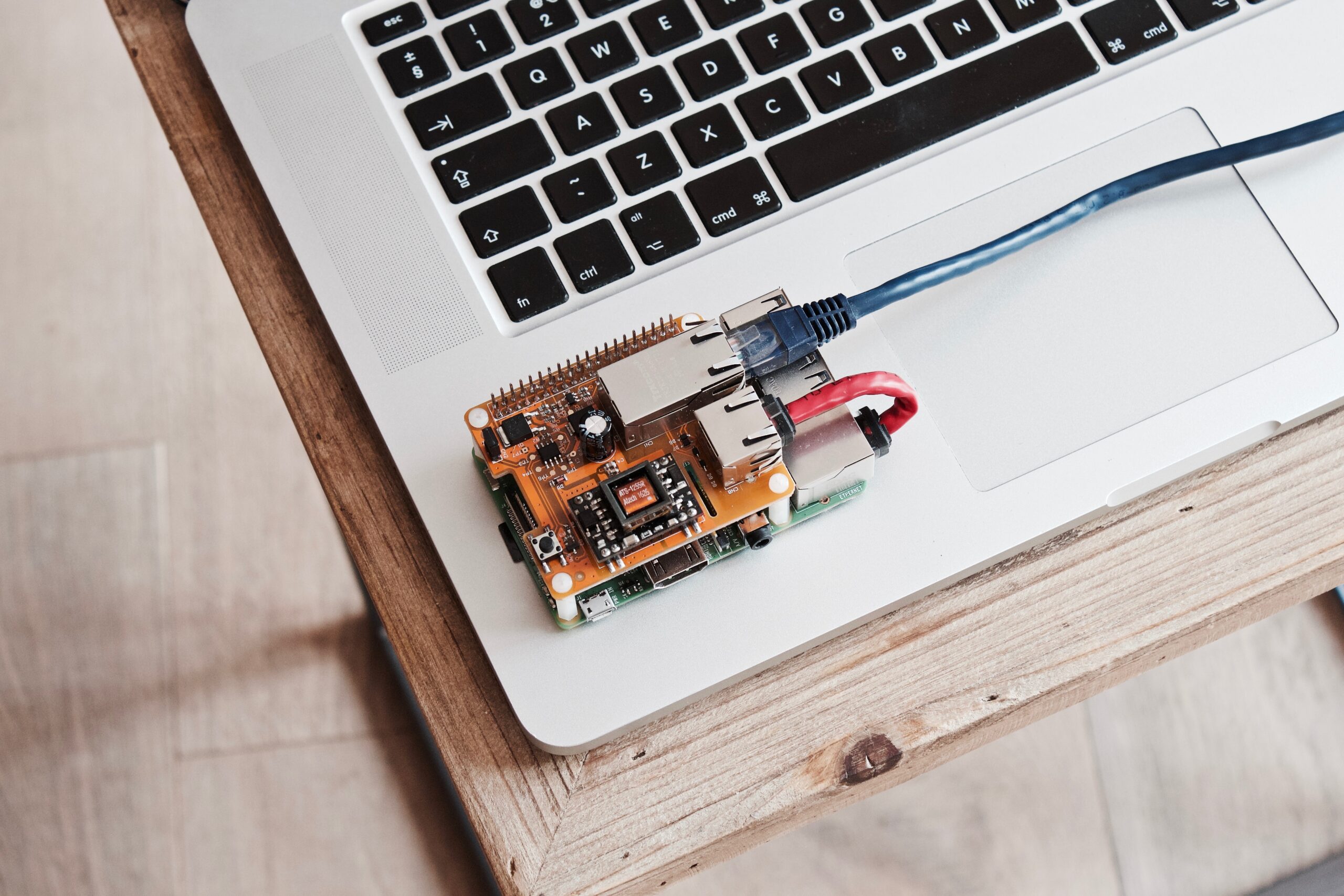
The Internet of Things (IoT) refers to the network of interconnected physical devices, vehicles, appliances, and other objects embedded with sensors, software, and connectivity capabilities. These devices can collect and exchange data over the internet, enabling them to communicate with each other and with humans. Here are some key points about the Internet of Things:
1. Connectivity: Firstly, IoT devices are equipped with various communication technologies, including Wi-Fi, Bluetooth, RFID, and cellular networks. Consequently, this connectivity allows devices to interact and share information, forming a vast network of interconnected devices.
2. Data Collection and Analysis: Moreover, IoT devices gather vast amounts of data from their surroundings through sensors and actuators. This data can include information about temperature, humidity, location, movement, and more. Subsequently, advanced analytics and machine learning algorithms can process this data to extract valuable insights and enable informed decision-making.
3. Automation and Control: In addition, IoT enables automation and remote control of devices and systems. Through IoT, devices can be remotely monitored, controlled, and managed. For instance, smart thermostats can adjust the temperature based on occupancy and preferences. Furthermore, industrial IoT systems can optimize energy consumption in factories.
4. Smart Homes and Cities: Another crucial aspect of IoT is its role in creating smart homes and smart cities. In smart homes, IoT devices such as smart speakers, thermostats, lighting systems, and security cameras can be interconnected and controlled through a centralized hub or smartphone app. Similarly, smart cities leverage IoT to enhance various aspects of urban life. This includes efficient energy management, traffic control, waste management, and public safety.
5. Industrial Applications: IoT is transforming industries, including manufacturing, agriculture, healthcare, and transportation. In manufacturing, IoT devices and sensors enable predictive maintenance, real-time monitoring of production lines, and optimization of supply chains. Similarly, in agriculture, IoT enables precision farming. Sensors collect data on soil moisture, weather conditions, and crop health, leading to more efficient resource management. Moreover, IoT facilitates remote patient monitoring, asset tracking, and smart transportation systems.
6. Security and Privacy: With the increased connectivity and data sharing in IoT, security and privacy concerns are significant. Consequently, protecting IoT devices from cyber threats and ensuring data privacy are essential. Strong encryption, authentication mechanisms, and regular security updates are critical for maintaining the integrity and privacy of IoT systems.
7. Scalability and Interoperability: Additionally, IoT ecosystems are composed of diverse devices from different manufacturers. Ensuring interoperability and seamless integration among devices from different vendors is a challenge. Consequently, standards and protocols such as MQTT, CoAP, and Zigbee help facilitate device communication and interoperability.
8. Impact on Society: Lastly, IoT has the potential to revolutionize industries, improve efficiency, and enhance the quality of life. It enables more sustainable resource management, reduces energy consumption, enhances healthcare services, and improves safety and security. However, ethical considerations such as data privacy, security risks, and potential job displacement need to be addressed for responsible and equitable deployment of IoT technologies.
The Internet of Things is a rapidly evolving field that holds immense potential for innovation and connectivity. As technology continues to advance, the applications and impact of IoT are likely to expand, shaping the way we live, work, and interact with our surroundings.